Centrifugal pump new upgrade
Centrifugal pump new upgrade!
Zero-injury fish pumps: efficient and worry-free live fish transfer, a must-have tool for aquaculture
As deep-water cage aquaculture scales up to capacities exceeding 60 tons per unit, traditional lift-net harvesting increasingly struggles with fish injury and operational delays. To address this, PWS has developed its fourth-generation intelligent centrifugal fish pump. By integrating bionic runner design with precision hydraulic control, the system can transfer 200 tons of live fish per hour with zero damage. This innovation slashes the injury rate from the industry average of 15% to less than 0.5%, significantly boosting both welfare and efficiency.
Product Overview
Fish pumps are devices that use water or air as a medium for suction and delivery of fish, and were initially used primarily for pumping and transporting catch out of nets and fish holds, as well as for pumping fish in waters for netless fishing.
Core Breakthrough
- Bionic wide runner blade: flow velocity ≤1.2m/s (below fish stress threshold)
- Elastic material covering: impeller edge covered with food-grade silicone, eliminating mechanical scuffs
- Intelligent hydraulic speed control: automatically adjust the negative pressure intensity according to the density of the fish population
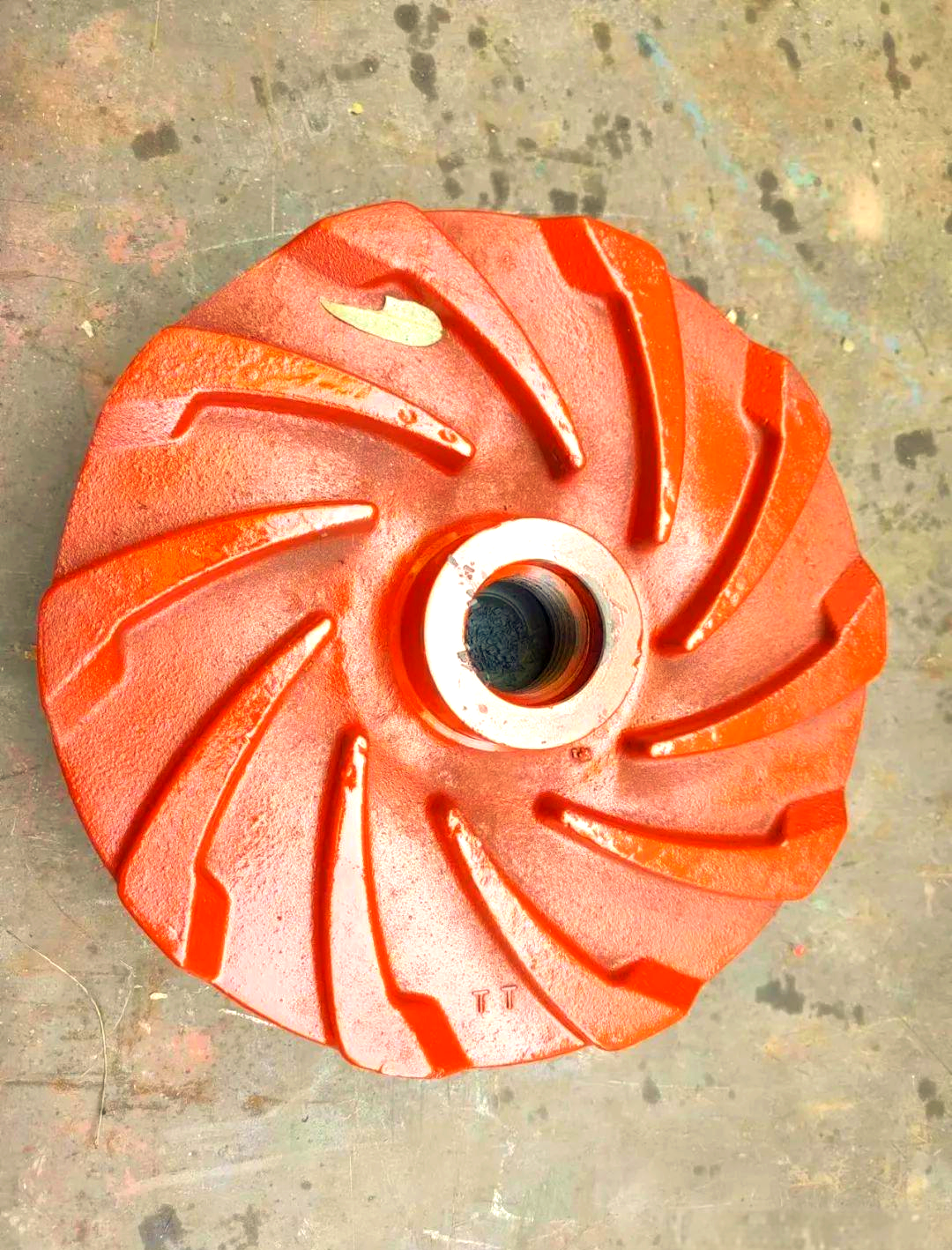
There are many kinds of fish pumps, which can be roughly divided into centrifugal fish pumps, jet fish pumps, submersible fish pumps and vacuum fish pumps according to the working principle.
- Centrifugal Fish Pump
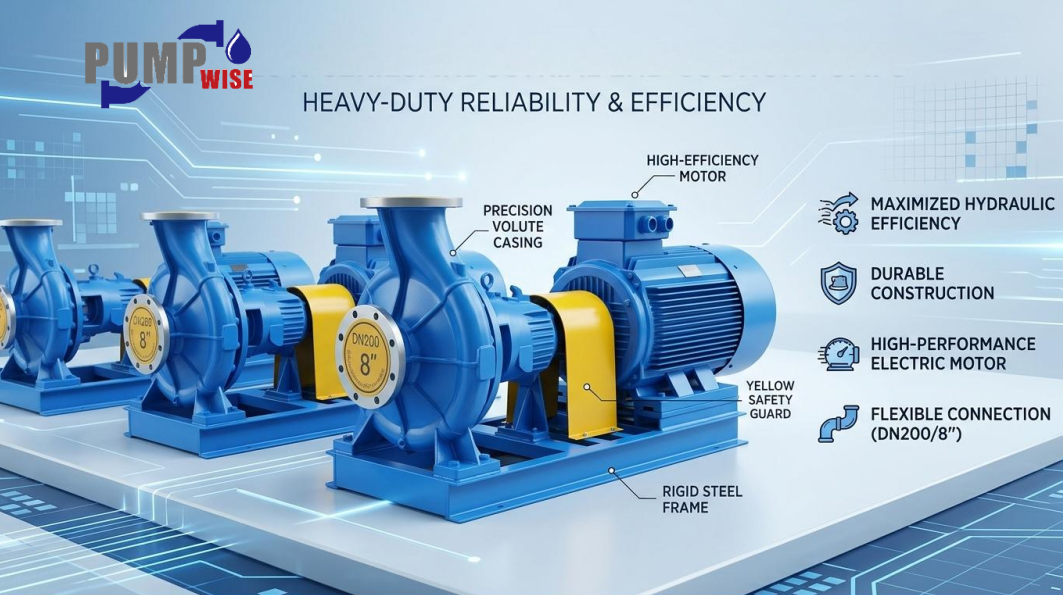
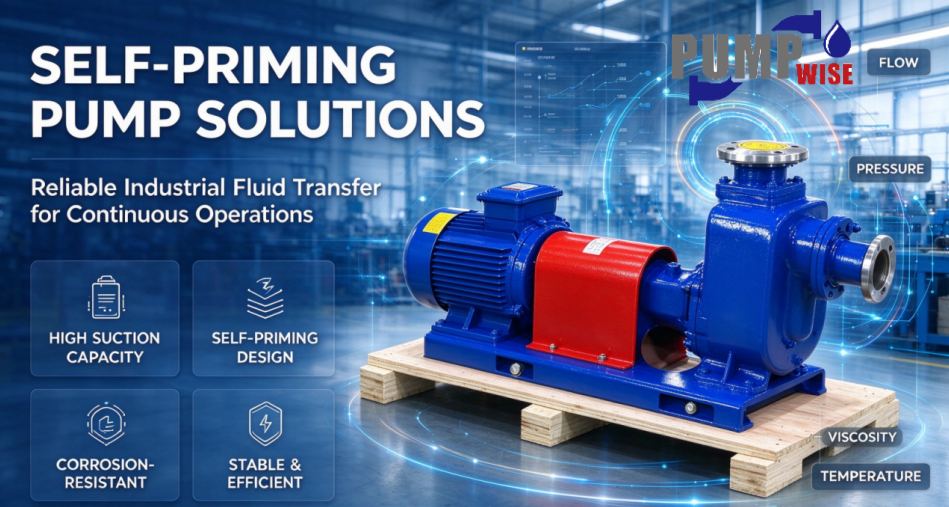
Driven by hydraulic principles, the Centrifugal Fish Pump utilizes high-speed vane rotation to create the negative pressure necessary for transporting live fish. Known for its high energy conversion efficiency, it is the standard choice for cage aquaculture and the loading operations of ocean-going vessels. These systems typically come in two configurations: fixed and submersible. Fixed units are mounted on land or deck and require a pressure-resistant suction pipe equipped with a check valve at the inlet. In contrast, submersible models are lowered directly into the water; powered by hydraulic drives, they eliminate the need for priming, offering a more compact and user-friendly design for demanding maritime environments.
- Jet Fish Pump
Jet Fish Pump utilizes high-speed flowing water jetted from the nozzle to generate negative pressure, and the fish water is finally discharged from the fish discharge pipe. Since there is no impeller, its damage rate is relatively small. It is generally used in large-scale net box culture. Jet pumps are generally composed of suction nozzle, suction pipe, jet chamber, pressure outlet pipe, fish water separator and so on.
- Submersible Fish Suction Pump
Submersible Fish Suction Pump is to sink the pump underwater and utilize the negative pressure principle for live fish pumping. The pump has the advantages of simple structure, high efficiency, no need to use a large number of strengthened suction pipe, and has the advantages of occupying a small deck area, light weight, easy to operate, etc., and is widely used; the disadvantage is that the head is lower and the cost is higher. Therefore, the fishing ship, base ship and transportation ship and so on application more.
- Vacuum Pressurized Fish Pump
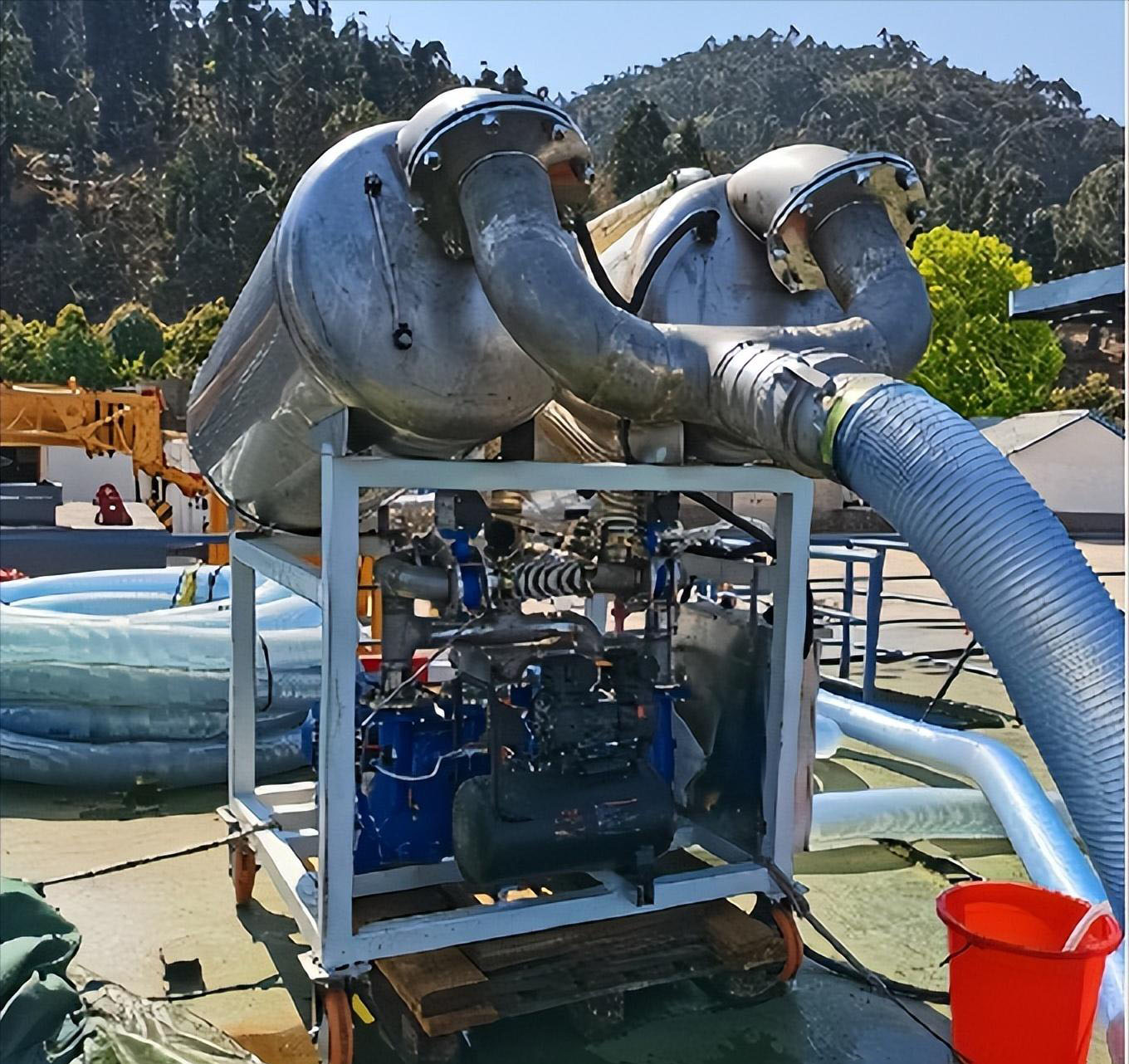
A vacuum fish pump comprises a vacuum pump, a collection tank, an electrical control system, and intake/discharge hoses. Operation begins by sealing the internal chamber to create a vacuum; once achieved, the inlet valve opens, drawing fish and water into the tank via atmospheric pressure. When the contents reach a specific level, a limit switch triggers the control system to pivot from suction to air delivery. This increases internal pressure, forcing the fish and water out through the discharge valve and into a container, effectively completing the automated cycle of suction and transport.


In the future, we will continue to launch customized products, crack every fishery pain point with the power of innovation, and build a new blue ecosystem with you!
//www.pumpwisewitness.com/