2026-04-23
In-depth Analysis of Self-priming Pump Belt Drive Systems
Q1: What are the fundamental structural differences between belt-driven self-priming pumps and direct-drive self-priming pumps?
Q2: What protective advantages does a belt-driven system offer when dealing with harsh operating conditions?
Q3: Why are belt-driven self-priming pumps more competitive in terms of maintenance costs and ease of use?
Q4: How does belt drive help companies achieve energy conservation and emission reduction in energy efficiency management?
Q4: How does belt drive help companies achieve energy conservation and emission reduction in energy efficiency management?
In-depth Analysis of Self-priming Pump Belt Drive Systems
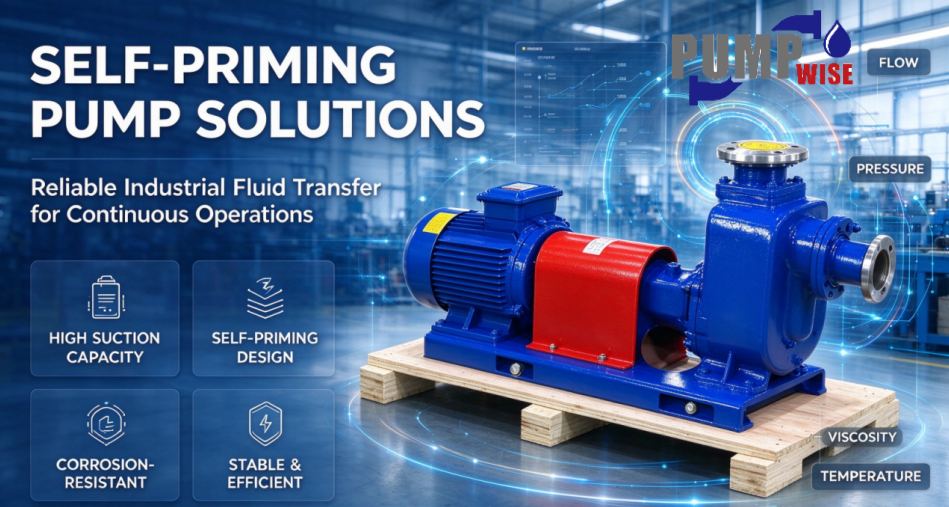
In the field of industrial fluid transfer, the flexibility and durability of equipment often determine production efficiency. As core equipment for wastewater treatment, chemical media transportation, and farmland irrigation, the choice of power transmission method for self-priming pumps is crucial. Although direct-drive self-priming pumps are widely used, belt drive systems for self-priming pumps are gradually becoming the preferred solution for high-load and complex operating conditions due to their unique buffering performance, flexible speed adjustment, and simpler maintenance process. This article will delve into the advantages of belt-driven self-priming pumps to help you make better equipment selections for different application scenarios.
Q1: What are the fundamental structural differences between belt-driven self-priming pumps and direct-drive self-priming pumps?
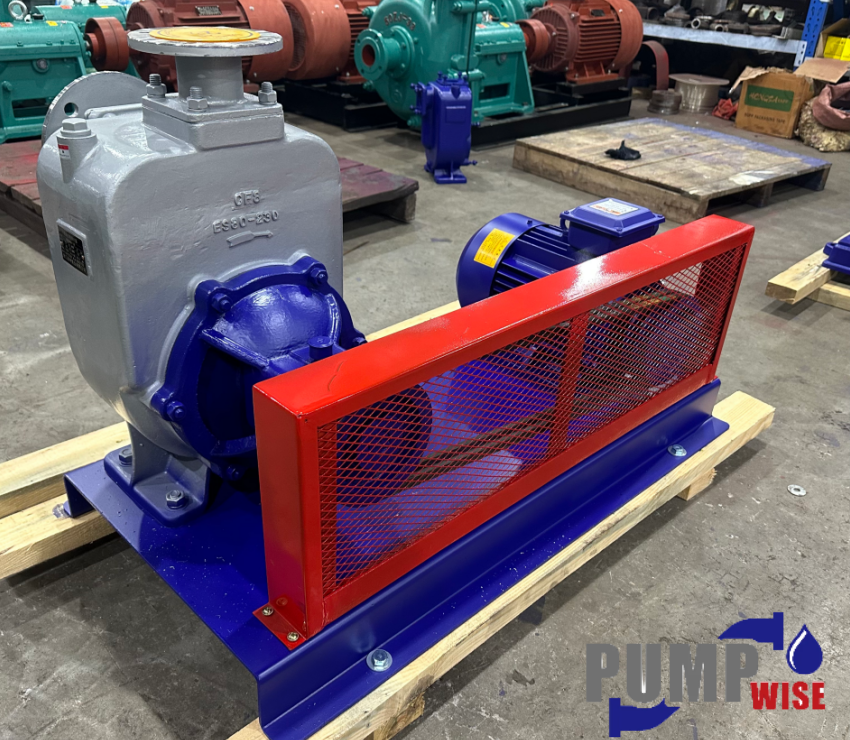
A: Direct-drive self-priming pumps connect the pump shaft and motor shaft directly via a coupling, requiring both to rotate at the same speed. Belt-driven systems (usually V-belts or synchronous belts) transmit power through pulleys. The biggest advantage of this structure is that it decouples the speed limitations of the motor and pump. By changing the diameter ratio of the pulleys, the pump's operating speed can be precisely adjusted without replacing the motor, perfectly matching the required flow rate and head, avoiding the losses caused by direct-drive pumps operating outside their high-efficiency range.
A: Direct-drive self-priming pumps connect the pump shaft and motor shaft directly via a coupling, requiring both to rotate at the same speed. Belt-driven systems (usually V-belts or synchronous belts) transmit power through pulleys. The biggest advantage of this structure is that it decouples the speed limitations of the motor and pump. By changing the diameter ratio of the pulleys, the pump's operating speed can be precisely adjusted without replacing the motor, perfectly matching the required flow rate and head, avoiding the losses caused by direct-drive pumps operating outside their high-efficiency range.
PWS Summary: The PWS series self-priming pumps fully consider the compatibility of the transmission system during the design phase. Our engineers accurately calculate the pulley ratio based on the customer's specific flow requirements, ensuring the pump delivers above-average performance without increasing energy consumption, breaking the limitations of standard speed on productivity.


Q2: What protective advantages does a belt-driven system offer when dealing with harsh operating conditions?
A: When pumping sewage containing impurities or high-viscosity liquids, occasional momentary blockages or load surges may occur within the pump chamber. In a direct-drive system, the impact force acts directly on the motor bearings, easily leading to motor burnout or coupling breakage. Belt drives, on the other hand, act as a "mechanical fuse": the belt's excellent flexibility and physical damping characteristics absorb momentary vibrations and impact loads. In the event of severe blockage, the belt will relieve pressure through moderate slippage, thus protecting the expensive motor and core pump components from permanent damage.
PWS Summary: The PWS brand always prioritizes safety in production. By adopting a high-quality belt drive solution, PWS self-priming pumps can operate for extended periods in extreme environments with high sand and fiber content, significantly reducing motor failure rates due to accidental overloads and providing multiple layers of protection for your equipment assets.


Q3: Why are belt-driven self-priming pumps more competitive in terms of maintenance costs and ease of use?
A: Direct-drive pumps typically require precise alignment of the two shafts during maintenance. Even minor misalignment can cause severe vibrations and bearing damage, and the disassembly process is cumbersome. In contrast, belt-driven systems have a lower installation and alignment threshold, requiring only that the pulleys be on the same plane. When transmission components wear out, belt replacement takes only a few minutes, and the cost of replacement parts is far lower than the cost of couplings or motor repairs. Furthermore, the space between the motor and the pump body effectively prevents direct splashing damage to the motor due to pump head seal leaks.
A: Direct-drive pumps typically require precise alignment of the two shafts during maintenance. Even minor misalignment can cause severe vibrations and bearing damage, and the disassembly process is cumbersome. In contrast, belt-driven systems have a lower installation and alignment threshold, requiring only that the pulleys be on the same plane. When transmission components wear out, belt replacement takes only a few minutes, and the cost of replacement parts is far lower than the cost of couplings or motor repairs. Furthermore, the space between the motor and the pump body effectively prevents direct splashing damage to the motor due to pump head seal leaks.
PWS Summary: To reduce the difficulty of later maintenance for users, PWS self-priming pumps adopt a modular belt tensioning design. Even non-technical personnel can quickly complete routine maintenance with simple tools, ensuring that your factory production line downtime is minimized, achieving true cost reduction and efficiency improvement.