2025-09-12
Operation and Common Problems of Sewage Pump
Operation and Common Problems of Sewage Pump
A sewage pump is a type of pump used to treat wastewater containing solid particles, fibers, or other impurities. They play a crucial role in various scenarios, but proper use and maintenance are key to ensuring their efficient operation.
Operation mode of sewage pumps
The operation of sewage pumps usually involves the following key steps:
Installation preparation
- Inspection: Before installation, carefully inspect the appearance of the sewage pump for damage and ensure that the power cord is intact.
- Connection: Fix the pump in the predetermined position according to its type (submersible or non submersible). Submersible sewage pumps need to be placed in the liquid to be pumped and ensured to be stable. Non submersible sewage pumps require connecting the inlet and outlet pipes.
- Exhaust: For certain types of sewage pumps, especially suction pumps, exhaust is required before starting. This usually involves opening the exhaust valve and filling the pump body or inlet pipe with liquid until the liquid flows out of the exhaust valve to remove air.
Start and Run
- Power Connection
Verify the supply voltage matches the pump’s rated specifications before connecting the power cable. - Operational Inspection
Once the pump is activated, monitor its running condition continuously. Check for water leakage and listen out for unusual operating noises. - Flow & Lift Reminder
Each sewage pump has fixed rated flow and lift parameters. Do not operate the unit under overload conditions to avoid permanent equipment damage.
Stop and maintain
- Stop: Under normal circumstances, when the liquid level is below the suction port of the pump, the pump will automatically stop (if equipped with a liquid level controller). When manually stopping, the power should be disconnected first.
- Cleaning: After each use, if conditions permit, the pump should be cleaned, especially the impeller and suction port, to prevent impurities from clogging.
- Storage: When not in use for a long time, the pump should be removed, wiped dry, and stored in a dry and ventilated place.
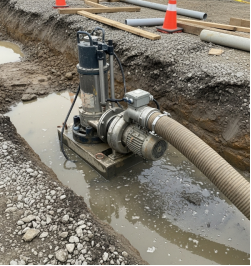
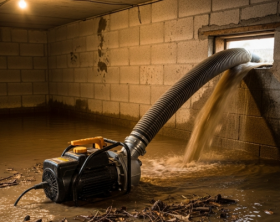
Sewage Pump Operation Guidelines
The use of sewage pumps mainly depends on their type and design purpose:
Submersible sewage pump:
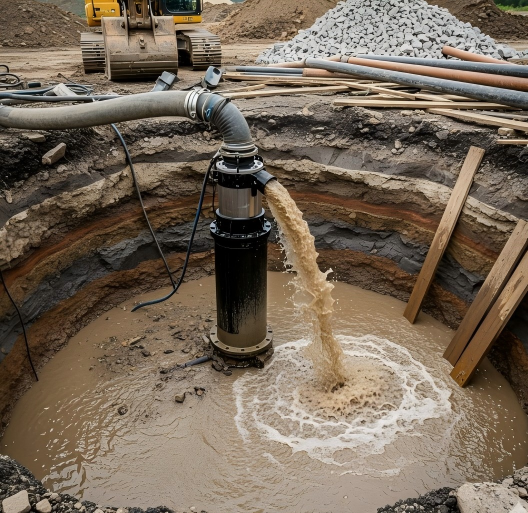
- Direct input: usually directly input into the liquid that needs to be drained. The pump body is completely immersed in the liquid for operation, using buoyancy or fixed devices to maintain its position.
- Automatic control: Many submersible sewage pumps are equipped with float level switches, which can automatically start and stop according to the liquid level, achieving unmanned operation.
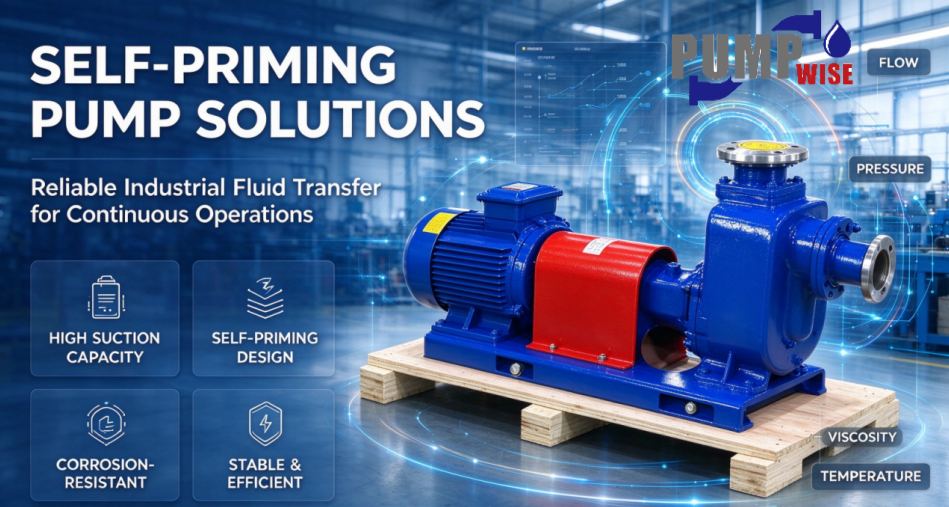
Non submersible sewage water pump (self-priming or ordinary centrifugal):
- Installation and fixation: It needs to be installed on the ground and connected to the water source and discharge point through pipelines.
- Manual or remote control: Its start and stop may require manual operation or remote control through an external control system (such as PLC).
- Suction limit: The suction range (vertical distance from the liquid level to the pump) of non submersible sewage pumps is limited, and this factor needs to be considered during installation.
Applicable Working Conditions for Sewage Pumps
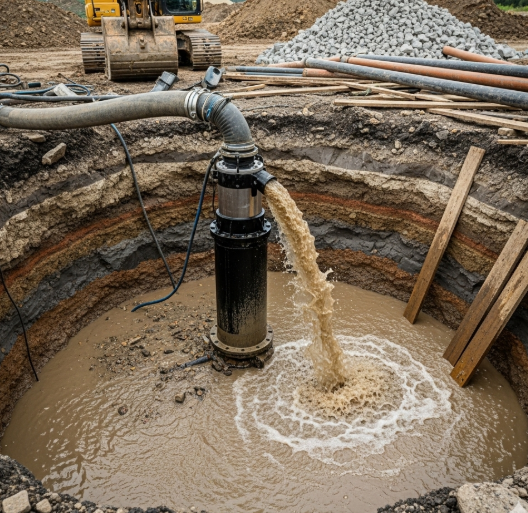
Sewage pumps are widely used in the following scenarios:
- Municipal engineering: used for sewage treatment plants, drainage systems, sewers, rainwater pumping stations, etc., to transport domestic sewage and industrial wastewater.
- Construction site: used to remove accumulated water and mud during excavation, basement, and tunnel construction.
- In the industrial field, it is used to transport wastewater containing corrosive and abrasive media in industries such as chemical plants, mines, and metallurgy.
- Agriculture and animal husbandry: used for irrigation and drainage of farmland, as well as wastewater discharge from animal husbandry farms.
- Emergency drainage: used to quickly remove large amounts of accumulated water in flood disasters or other emergency situations.
- Property management: used for sewage discharge and basement drainage in high-rise buildings, shopping malls, and hotels.
Typical Faults & Troubleshooting for Sewage Pumps
Various typical malfunctions may arise during sewage pump operation, along with corresponding causes and solutions listed as below:
1. Pump Fails to Start
Causes: Power supply outage, blown fuse, motor overload trip, faulty control circuit, insufficient liquid level.
Solutions: Inspect power wiring and voltage; replace blown fuses; reset the overload protector; troubleshoot the control circuit; guarantee adequate liquid level.
2. Low Flow Rate or Insufficient Lift
Causes: Clogged or worn impeller, blocked inlet/outlet pipelines, excessive sealing ring clearance, trapped air inside pump casing, inadequate rotating speed.
Solutions: Clear blockages on the impeller and pipelines; inspect sealing rings; vent air from the pump chamber; verify the motor rotational speed.
3. Severe Noise and Vibration During Operation
Causes: Foreign debris trapped inside the pump, unbalanced impeller, defective bearings, unstable mounting base.
Solutions: Remove internal foreign matter; test impeller balance; replace damaged bearings; reinforce pump fixing brackets.
4. Overheating Pump Unit
Causes: Continuous overloaded running, insufficient bearing lubricant or damaged bearings, leaking due to failed seals.
Solutions: Cut operating load; replenish bearing oil or replace faulty bearings; inspect and repair leaking sealing components.
5. Motor Burnout
Causes: Long-term single-phase operation, unstable low voltage, frequent startup cycles, prolonged dry running or pump blockage.
Solutions: Check three-phase power balance and stabilize supply voltage; reduce frequent startup operations; ensure the pump always runs with sufficient liquid medium.
A solid grasp of sewage pump operating standards, applicable working conditions and fault disposal measures helps maximize operational efficiency, extend equipment service life and prevent unnecessary economic losses.
Various typical malfunctions may arise during sewage pump operation, along with corresponding causes and solutions listed as below:
1. Pump Fails to Start
Causes: Power supply outage, blown fuse, motor overload trip, faulty control circuit, insufficient liquid level.
Solutions: Inspect power wiring and voltage; replace blown fuses; reset the overload protector; troubleshoot the control circuit; guarantee adequate liquid level.
2. Low Flow Rate or Insufficient Lift
Causes: Clogged or worn impeller, blocked inlet/outlet pipelines, excessive sealing ring clearance, trapped air inside pump casing, inadequate rotating speed.
Solutions: Clear blockages on the impeller and pipelines; inspect sealing rings; vent air from the pump chamber; verify the motor rotational speed.
3. Severe Noise and Vibration During Operation
Causes: Foreign debris trapped inside the pump, unbalanced impeller, defective bearings, unstable mounting base.
Solutions: Remove internal foreign matter; test impeller balance; replace damaged bearings; reinforce pump fixing brackets.
4. Overheating Pump Unit
Causes: Continuous overloaded running, insufficient bearing lubricant or damaged bearings, leaking due to failed seals.
Solutions: Cut operating load; replenish bearing oil or replace faulty bearings; inspect and repair leaking sealing components.
5. Motor Burnout
Causes: Long-term single-phase operation, unstable low voltage, frequent startup cycles, prolonged dry running or pump blockage.
Solutions: Check three-phase power balance and stabilize supply voltage; reduce frequent startup operations; ensure the pump always runs with sufficient liquid medium.
A solid grasp of sewage pump operating standards, applicable working conditions and fault disposal measures helps maximize operational efficiency, extend equipment service life and prevent unnecessary economic losses.