
What is a Circulation Pump and How Does It Work
What is a Circulation Pump and How Does It Work?
A circulation pump refers to a device designed to circulate liquids for processes such as reaction, absorption, separation, or regeneration within industrial or residential systems. Characterized by its low lift capacity, it primarily overcomes pressure drops in closed-loop systems. Unlike centrifugal pumps (classified by structural design), circulation pumps are defined by their functional role.
As the core component of fluid power systems, circulation pumps utilize mechanical energy to drive directional liquid flow in closed loops. They are widely applied in HVAC, industrial cooling, and district heating. According to a 2024 report by the International Hydraulic Institute (IHI), optimizing circulation pump operations can reduce building energy consumption by 12–18%, directly impacting lifecycle costs.
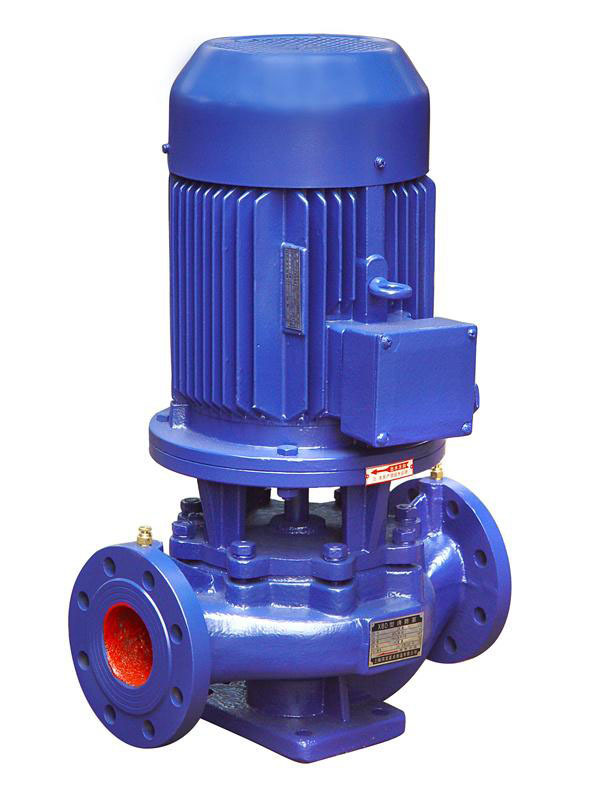


The working principle of circulating pump is to suck liquid into the pump body through mechanical movement, and then transport the liquid to the needed place through pressure.
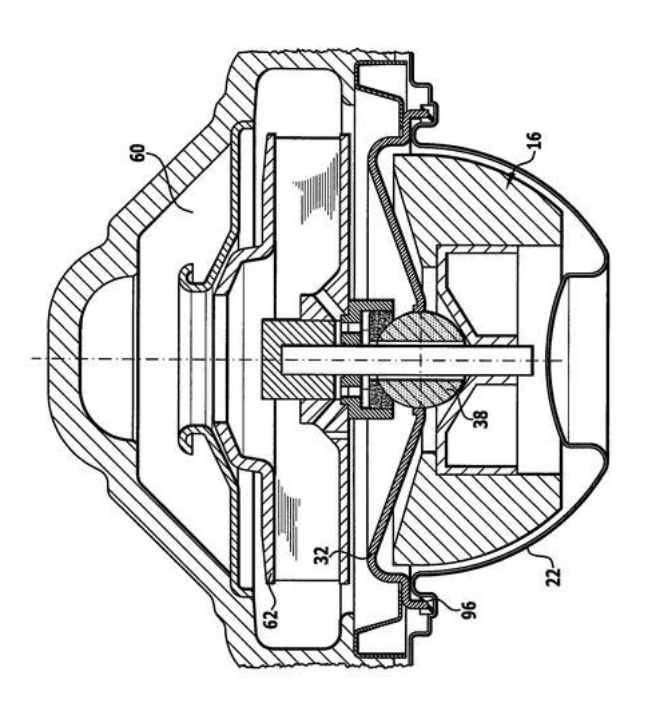
Operating Steps
1.Liquid Intake:
The impeller or piston generates a low-pressure zone, drawing liquid into the pump.
2.Pressure Generation:
The rotating impeller accelerates the liquid, converting mechanical energy into kinetic energy.
3.Liquid Delivery:
Pressurized liquid is transported through pipelines to targeted systems (e.g., heating networks or cooling towers).
4.Continuous Circulation:
The pump maintains a closed-loop flow to sustain system demands, such as HVAC temperature control or industrial process stability.
Main Types
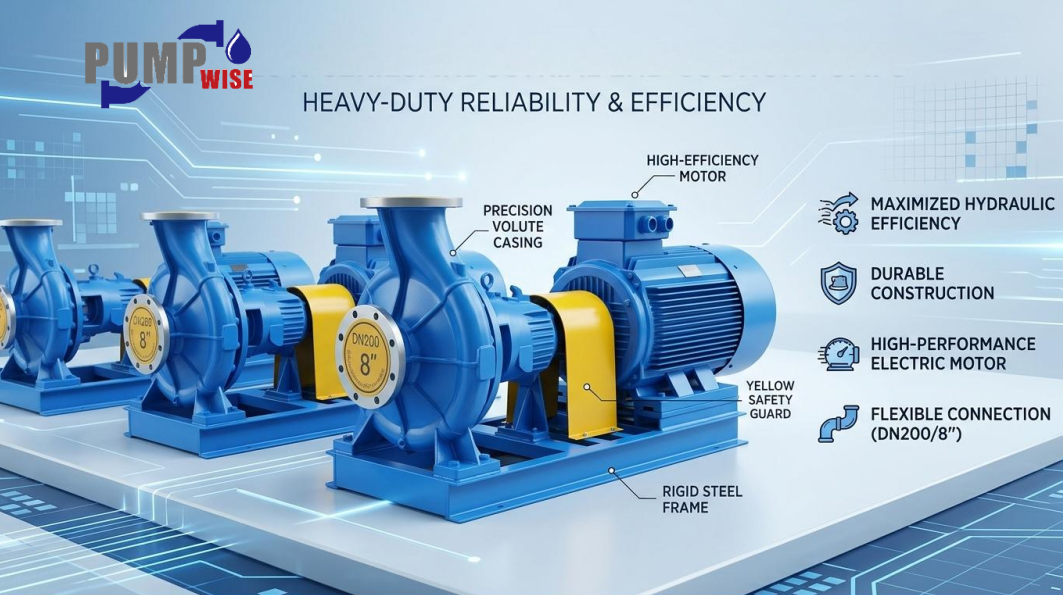
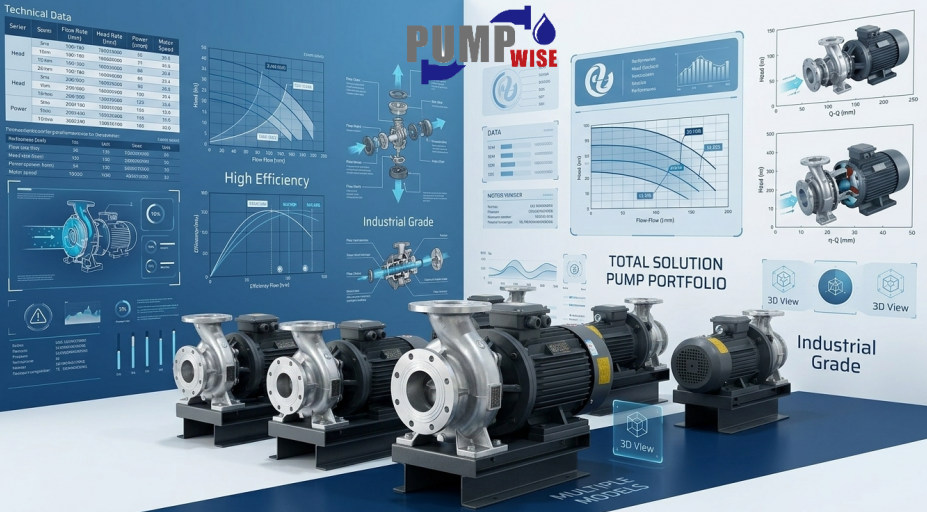
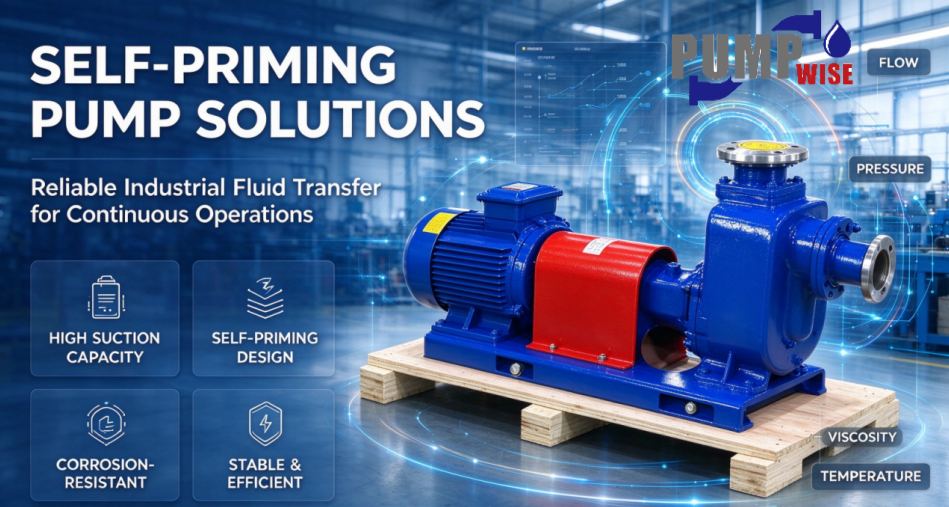
Circulation pumps are widely used in a variety of situations that require liquid circulation, especially in heating systems and industrial applications. According to their use and installation, circulating pumps are mainly divided into several types such as built-in circulating pumps, external circulating pumps and pipeline pumps.
1. Built-in circulation pumps: This type of pump is usually designed to be part of a system, such as inside a boiler or other equipment. They are usually small, easy to integrate, and tend to be used in small systems or specific equipment.
2. External circulation pumps: external pumps are pumps that are independent of the main system and can be easily installed into existing piping or equipment. This type of pump is suitable for large systems, especially those requiring high flow and pressure. 3.
3. Pipeline pumps: These pumps are mounted directly on piping and are used to propel liquids through the system. They are particularly suitable for applications where liquids need to be transported over long distances.
Application scenarios
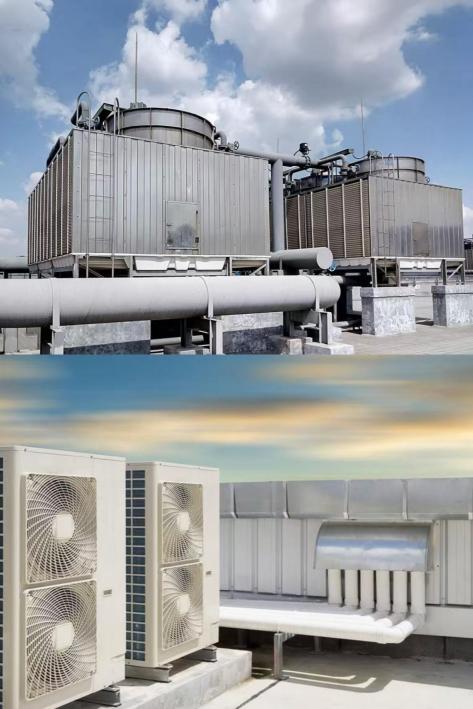
1. Air conditioning systems: Air conditioning systems are one of the most common application scenarios for circulation pumps. Circulation pumps are able to circulate and transport cooling water or refrigerant through the system, helping to lower room temperatures and maintain air humidity in air conditioning systems.
2. Heating systems: Circulation pumps can also be used in heating systems to help maintain warm room temperatures by circulating heat through the water to the interior of the building.
3. Cooling system: Circulation pumps are also widely used in cooling systems. For example, in industrial production cooling system, through the pump will keep the cooling water flow, to achieve the purpose of reducing the temperature.
4. Fire-fighting systems: In fire-fighting systems, circulating pumps are used to circulate fire-fighting water to ensure the reliability and safety of the water supply system.
Maintenance and Troubleshooting
1. Circulation pump can not start
Causes: motor failure, power supply problems, foreign matter stuck in the pump body, etc.
Countermeasures: check the motor and power supply to ensure normal operation; clean up foreign objects in the pump.
2. Circulation pump does not produce water or insufficient flow rate
Reason: inlet or outlet valve is not closed tightly, suction pipe leakage, impeller clogging or damage, speed is not enough.
Maintenance method: check the valve and adjust it to the proper position; replace the suction pipe; clean up or replace the impeller; check the power supply and motor to make sure the speed reaches the requirement.
3. Circulation pump vibration and noise
Reason: pump shaft is bent, bearing is damaged, installation is not firm, etc.
Countermeasures: correct the pump shaft or replace it with a new one; replace the damaged bearing; reinforce the installation foundation.
4. Bearing heat
Causes: insufficient or poor quality lubricant, bearing damage, pump shaft and motor shaft not concentric, etc.
Repair methods: add or replace lubricating oil; replace damaged bearings; adjust the concentricity of pump shaft and motor shaft.
5. Circulation pump over power operation
Reason: friction of rotating part in the pump, too high rotating speed, specific gravity or viscosity of conveyed liquid exceeds the standard.
Countermeasures: check and adjust the clearance of the rotating part; reduce the rotating speed to the specified value; ensure that the conveyed liquid meets the requirements.
6. Circulation pump leakage
Reason: sealing ring wear, pump body cracks, etc.
Repair method: replace sealing ring; repair or replace pump body.
7. Circulating pump motor overheating
Reason: too high or too low voltage, motor overload, etc.
Countermeasures: Adjust the voltage to normal range; check the motor load and adjust it to appropriate level.
8. Circulation pump stops immediately after starting
Reason: power supply problem, protection device action, etc.
Repair method: check the power supply and remove the fault; check the protection device and reset.
9. Circulation pump inlet pressure is too high or too low
Reason: improper opening of inlet valve, clogging of inlet pipeline, etc.
Countermeasures: adjust the opening of the inlet valve; clean up the inlet pipeline blockage.
10. Circulation pump export pressure is insufficient
Reason: over-opening of outlet valve, impeller wear, etc.
Maintenance method: adjust the opening of outlet valve; replace the worn impeller.
Conclusion
Whether it is the temperature control balance of air conditioning system, the reliable water supply of fire fighting pipe network or the cooling cycle of chemical plant, circulation pump is always the key to ensure the safety and efficiency of the system.